MDBT42Q Development Board Now Available

Raytac Corporation

A BT4.1 & BT4.2 module maker based on Nordic nRF51 & nRF52 solution 

(nRF51822 & nRF51422 & nRF52832 & nRF51802)

Tel: +886.2.3234.0208

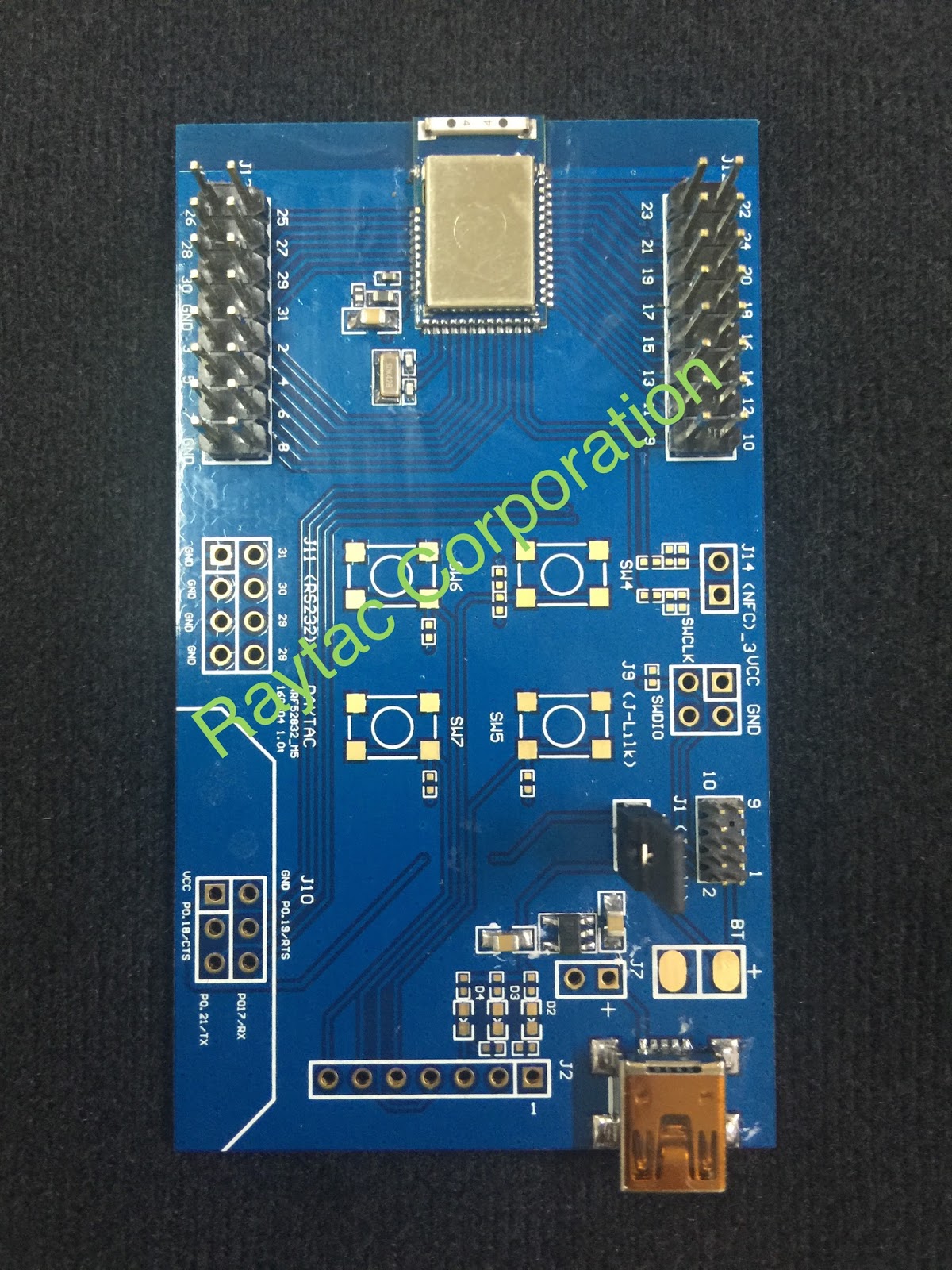
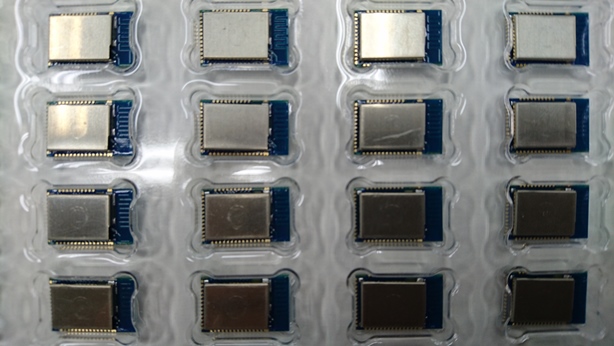
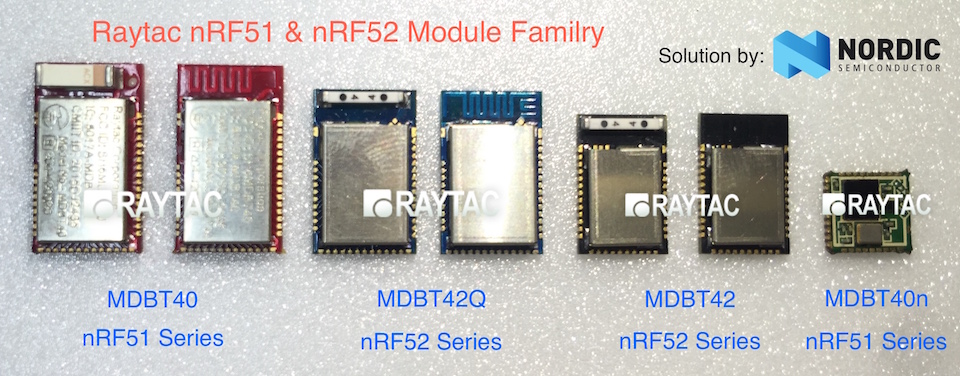
MDBT42Q / MDBT42Q-P which are built based on Nordic nRF52832 solution.

The modules now are already in mass production stage for volume shipment.

Raytac would like to announce that MDBT42Q Series Development Board now is available.

Developers may access through Raytac’s Distributors or direct to Raytac Corporation for inquiry.

What is dBm?

Raytac Corporation

A BT4.1 & BT4.2 module maker based on Nordic nRF51 & nRF52 solution 

(nRF51822 & nRF51422 & nRF52832 & nRF51802)

Tel: +886.2.3234.0208

What is dBM?

From Spec sheet, we can find the output power always stated as dBM.

For example:

Nordic nRF52832

Transmitting power (+4dBM~-20dBM) / Receiving Sensitivity (-96dBM)

dBm is the unit for radiowave, it is a way to express the comparison between the reference signal value

The reference value is 0dBM at 1mW, the unit represented as shown below

1/10000 times = -40 dBm

1/1000 times = -30 dBm

1/100 times = -20 dBm

1/10 times = -10 dBm

1mW =     0 dbm ← Reference Signal Value

10 times  =  10 dBm

100 times  =  20 dBm

1000 times  =  30 dBm

Raytac MDBT42Q-P512K評価サンプル出荷開始

Raytac Corporation

A BT4.1 & BT4.2 module maker based on Nordic nRF51 & nRF52 solution 
(nRF51822 & nRF51422 & nRF52832 & nRF51802)
Tel: +886.2.3234.0208
email: service@raytac.com
日本での代理店への連絡は下記の通り。
株式会社フクミ (Fukumi corporation)
消費材企画開発Gr. LBTチーム (Consumer Products R&D Group, LBT team)
榊 和優 (Kazumasa Sakaki)
Tel : 03-5687-2890 (+81-3-5687-2890)
Mail : lbt_bt@fukumi.co.jp
ブログから引用。詳細は下記Link先へ。

http://bluetooth.tokyo/raytac-mdbt42q-p512k%E8%A9%95%E4%BE%A1%E3%82%B5%E3%83%B3%E3%83%97%E3%83%AB%E5%87%BA%E8%8D%B7%E9%96%8B%E5%A7%8B-360.html

先に出荷が開始されたMDBT42Q-512Kとはアンテナの違いだけです。
品番に「P」が付くとPCBのパターンアンテナ(通信距離目安60M)で、
「P」が付かないとチップアンテナ(通信距離目安80M)となります。
■MDBT42Q 概要
SoC:nRF52832
BT ver :BT4.2
Size : 16 x 10 x 2.2mm
Flash memory : 512kB
RAM : 64kB
Antenna : Chip Antenna (MDBT42Q-512K) / Printed Antenna (MDBT42Q-P512K)
評価サンプルをご希望される場合ですが、
メニューの「お問い合わせ」もしくは「見積依頼」よりお願い致します。

MDBT42 Module (Nordic nRF52832 Solution) Now Launched

Raytac Corporation

A BT4.1 & BT4.2 module maker based on Nordic nRF51 & nRF52 solution 

(nRF51822 & nRF51422 & nRF52832 & nRF51802)

Tel: +886.2.3234.0208

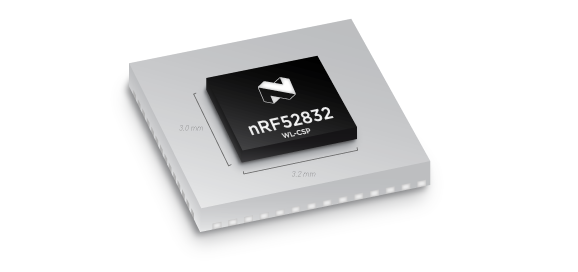
MDBT42, based on Nordic nRF52832 WL-CSP solution, is about to be armed and targeting for IoT industry.

Raytac’s module line in 2016 now has become ready and all well loaded.

Targeting next-generation wearables and space-constrained IoT applications, the nRF52832 Wafer Level Chip Scale Package (WL-CSP) has a super-compact 3.0 by 3.2mm footprint that occupies one quarter of the footprint area of Nordic’s standard 6.0 by 6.0mm QFN48-packaged nRF52832, yet offers the same full feature set

Oslo, Norway 2016/07/05

Nordic Semiconductor today announces the availability of a Wafer Level Chip Scale Package (WL-CSP) variant of its nRF52832 Bluetooth® low energy (formerly known as Bluetooth Smart) System-on-Chip (SoC) that occupies a quarter of the footprint area of the standard-packaged Nordic nRF52832 and targets next-generation, high-performance wearables and space-constrained IoT applications.

The nRF52832 WL-CSP has a super-compact 3.0 by 3.2mm footprint compared to the standard 6.0 by 6.0mm footprint of its larger but conventionally-packaged nRF52832 QFN48 cousin, yet offers the same full single-chip feature set and best-in-class, ultra-low-power application operation. This includes a powerful on-board 64MHz ARM® Cortex®-M4F processor that enables protocol and application task processing to be completed in unprecedentedly short time-frames, thus allowing power-saving sleep modes to be entered much quickly compared to competing devices.

Like the nRF52832, the nRF52832 WL-CSP features: 512kB Flash and 64kB RAM; on-chip NFC™ tag for consumer-friendly Touch-to-Pair; best-in-class ultra-high performance, ultra-low-power multi-protocol Bluetooth low energy, ANT™, and proprietary 2.4GHz radio; 5.5mA peak RX/TX currents; an on-chip RF Balun; plus a unique fully-automatic power management system that makes achieving optimal power consumption easy for designers.

The nRF52832 WL-CSP is compatible with Nordic’s Bluetooth 4.2 stacks and supporting SDKs including the latest S132 multi-role concurrent software stack, nRF5 SDK, nRF5 SDK for HomeKit, and nRF5 SDK for AirFuel (resonant wireless charging).

“The availability of a super-compact footprint nRF52832 brings new design opportunities to wearables and other space-constrained IoT applications,” comments Kjetil Holstad, Product Manager Ultra Low-Power Wireless at Nordic Semiconductor. “And this SoC is available now in high production volumes for immediate inclusion in upcoming product development.”

Holstad adds: “The evolution of wearables to date has only ever gone one way: ever increasing performance and functionality in ever-slimmer, lighter, form factors. The nRF52832 WL-CSP is by a clear margin, the smallest and most advanced Bluetooth low energy SoC available on the market today.”

About Bluetooth 5

Raytac Corporation

A BT4.1 & BT4.2 module maker based on Nordic nRF51 & nRF52 solution 

(nRF51822 & nRF51422 & nRF52832 & nRF51802)

Tel: +886.2.3234.0208

Simple Summary

Scheduled to be released in end or 2016 or early 2017

1.Quadruples range

Extending range will deliver robust, reliable Internet of Things (IoT) connections that make full-home and building and outdoor use cases a reality. The expect power consumption of BT5  is expected to remain the same level as BT4.2. 

BT4.2: 10~100M

BT5.X: Upto 400M

2.Doubles speed

Higher speeds will send data faster and optimize responsiveness. Increasing broadcast capacity will propel the next generation of “connectionless” services like beacons and location-relevant information and navigation.

BT4.2: 1M bit/Sec

BT5.X: 2M bit/Sec

3. Data broadcasting capacity by 800%

Bluetooth 5,will quadruple range and double speed of low energy connections while increasing the capacity of connectionless data broadcasts by 800%. 

According to SIG’s news press

 “Increasing operation range will enable connections to IoT devices that extend far beyond the walls of a typical home, while increasing speed supports faster data transfers and software updates for devices. And now with the ability to broadcast a much richer set of information, Bluetooth 5 will make beacons, location awareness, and other connectionless services an even more relevant part of an effortless and seamless IoT experience” 

“With the major boost in broadcast messaging capacity, the data being transferred will be richer, more intelligent. This will redefine the way Bluetooth devices transmit information, moving away from the app-paired-to-device model to a connectionless IoT where there is less need to download an app or connect the app to a device."

To redefine the behavior of moving away from app-paired-to-device model must bring a revolutionary user behavior and environment from 2017. That is the most critical point for all product design or related Bluetooth industry need to pay highly attention!

Steps to Qualify Your Bluetooth Products

Raytac Corporation
A BT4.1 & BT4.2 module maker based on Nordic nRF51 & nRF52 solution 
(nRF51822 & nRF51422 & nRF52832 & nRF51802)
Tel: +886.2.3234.0208
To qualify a Bluetooth product always the issue make people headache.
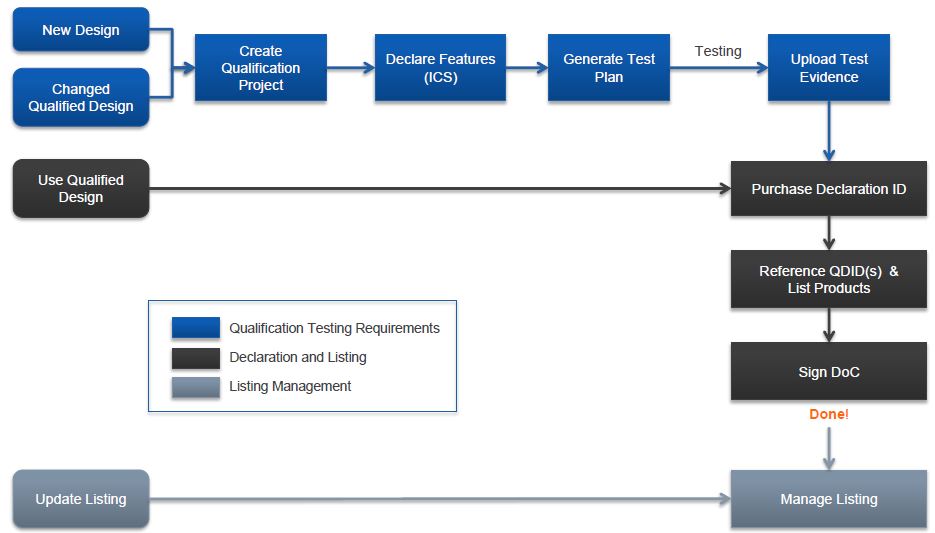
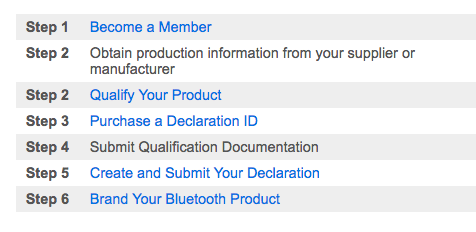
Here, we summarized the procedure become simple steps to help readers to easy to follow
From Step 3~5, we are sincerely suggest readers to entrust BQB (Bluetooth Qualify Body) to provide the professional service to save time and energy according to our experience.

STEP 1 Become a membership

Adopter Membership: Free–> “Most customers pick"
Associated Membership: US$7,500 or US$35,000 (depends on company size)
For more detail of the benefit between different membership, please visit the link as below

STEP 2. Obtain Production Information from supplier or manufacturer

Make sure your chip supplier or module manufacturer has well certified or not.
All information can be refer to SIG’s QDID information in public.
Makes sure the supplier or manufacturers’ QDID has well certified including both Hardware and Profile QDID

STEP 2-1. Qualify Your Products

a. Customers can log in SIG’s website to create a project in Test Plan Generator.
b. Pick up the type of qualification, such as End Product/Subsystem/Component/Development tool/Test equipment…etc.)
c. Link Layer, Spec, Profile

STEP 3. Purchase the Declaration ID (DID)

Readers can buy the DID from SIG’s website directly.

STEP 4. Submit Qualification Document

The Qualification Documents must been signed by BQE (Bluetooth Qualify Engineer) by BQB

STEP 5. Create and Submit the qualification

STEP 6. Brand Your Bluetooth Product


Raytac BLE モジュールMDBT40/MDBT40-PはJASO規格 D001-94に適合

Raytac Corporation

A BT4.1 & BT4.2 module maker based on Nordic nRF51 & nRF52 solution 
(nRF51822 & nRF51422 & nRF52832 & nRF51802)
Tel: +886.2.3234.0208
email: service@raytac.com
日本での代理店への連絡は下記の通り。
株式会社フクミ (Fukumi corporation)
消費材企画開発Gr. LBTチーム (Consumer Products R&D Group, LBT team)
榊 和優 (Kazumasa Sakaki)
Tel : 03-5687-2890 (+81-3-5687-2890)
Mail : lbt_bt@fukumi.co.jp
株式会社フクミのブログから引用。詳細は下記Link先へ。

http://bluetooth.tokyo/

NordicのnRF51824がAEC-Q100のテストに適合した記事の内容を以前投稿しましたが、
RaytacのBLEモジュールMDBT40とMDBT40-PシリーズはJASO(自動車技術会)が制定した
自動車用電子機器の環境試験の規格をクリアしています。
試験の概要は以下の通り。
1.低温下でも問題なく動作する(-30℃を72時間)
2.高温下でも問題なく動作する(85℃を120時間)
3.サーマルショックテスト(-40℃~85℃)
4.温度サイクルテスト(-40℃~85℃)
上記環境下で基本的な動きが確認でき、データのパケットロスがない事を確認します。
D001-91-1
D001-91-2
D001-91-3

nRFgo Studioのバージョンについて

Raytac Corporation

A BT4.1 & BT4.2 module maker based on Nordic nRF51 & nRF52 solution 

(nRF51822 & nRF51422 & nRF52832 & nRF51802)

Tel: +886.2.3234.0208

email: service@raytac.com

日本での代理店への連絡は下記の通り。

株式会社フクミ (Fukumi corporation)

消費材企画開発Gr. LBTチーム (Consumer Products R&D Group, LBT team)

榊 和優 (Kazumasa Sakaki)

Tel : 03-5687-2890 (+81-3-5687-2890)

Mail : lbt_bt@fukumi.co.jp

株式会社フクミのブログから引用。詳細は下記Link先へ。

http://bluetooth.tokyo/

nRFgoはNordic社が提供する開発用スタートキットです。

(内容)

2x nRFgo motherboards

2x USB cables

4x 10-ribbon flat cables

8x 2-lead patch cables

1x nRFgo display add-on module

Printed ‘Getting Started Guide’

*Digi key等で5万円程度で購入が出来ます。

今回は開発したファームウェアをモジュールに焼きこむためのソフトウェアnRFgo Studioについて

Tipsです。

現時点(2016年6月7日)では、最新バージョンが「1.21.2」となっていますが、

Raytac社が比較検証したところ「1.19.x」のバージョンが書き込み速度が一番早いようです。

生産時にnRFgoとnRFgo Studioを使用して大量にコーディングをしている場合は特にですが、

余計なコストを発生させない為にも以前のバージョン1.19.xを使用したいところです。

環境依存こそあるかもしれませんが、最新バージョンが優れているという概念を捨て

以前のバージョンも保持しておくことが必要だという事ですね。

Bluetooth SIG メンバーについて

Raytac Corporation

A BT4.1 & BT4.2 module maker based on Nordic nRF51 & nRF52 solution 
(nRF51822 & nRF51422 & nRF52832 & nRF51802)
Tel: +886.2.3234.0208
email: service@raytac.com
日本での代理店への連絡は下記の通り。
株式会社フクミ (Fukumi corporation)
消費材企画開発Gr. LBTチーム (Consumer Products R&D Group, LBT team)
榊 和優 (Kazumasa Sakaki)
Tel : 03-5687-2890 (+81-3-5687-2890)
Mail : lbt_bt@fukumi.co.jp
株式会社フクミのブログから引用。詳細は下記Link先へ。

http://bluetooth.tokyo/

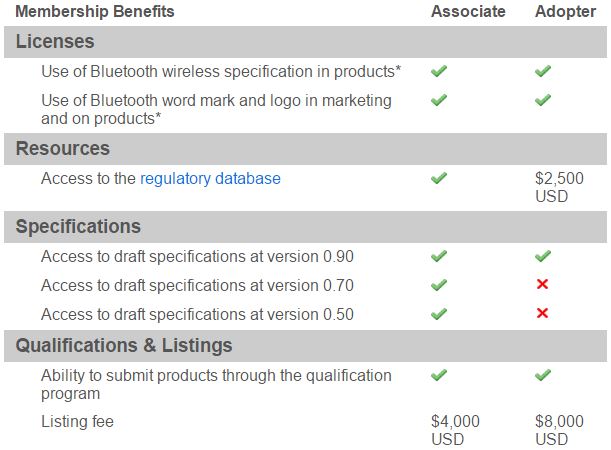
Bluetoothのロゴを使用するためには
まずはSIGのメンバーになるのが前提ですが、
基本的には2つのメンバーが用意されています。
簡易的に説明しますと…
①アダプターメンバー
・参加費用無料
・DIDの購入費用 USD8,000 (下記表 Listing fee部分)
・テストツールのディスカウント無し 等々
②アソシエイトメンバー
・年会費USD7500(売上高USD100M未満)or USD35,000(売上高USD100M以上)
・DIDの購入費用 USD4,000
・テストツールのディスカウントやマーケティング情報等へのアクセス可 等々
詳しくは下記表が違いになります。
もし売上がUSD1M未満で過去SIGへのリスティングを行っていない場合は、
Innovation Incentive Programの適用が可能となり、USD2,500で最初のDID取得が可能です。
(DID取得から18カ月以内に使用しない場合は無効となります)
年間で2件以上登録を考えている場合はアソシエイトメンバーの方がお得ですね。

Several Things About Bluetooth Effective Range

Raytac Corporation
A BT4.1 & BT4.2 module maker based on Nordic nRF51 & nRF52 solution 
(nRF51822 & nRF51422 & nRF52832 & nRF51802)
Tel: +886.2.3234.0208
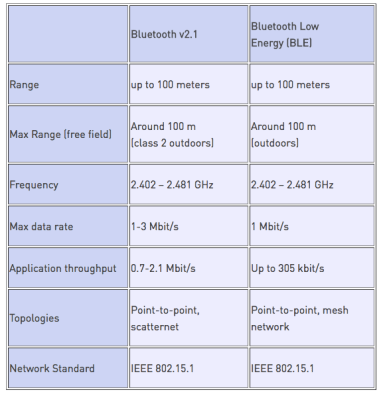
Although the article pointed out the BLE effective range is upto 100M, the primary factors that determine the  still mostly depends on the transmission output power, hardware design, Receiver sensitivity. The related article may be referred in another Raytac’s blog:

Bluetooth Power Classes VS Working Range

Following contents quoted from Nordic Blog by By Jon Gunnar Sponås June 2, 2016

Things you should know about Bluetooth range

Like all communication technologies, Bluetooth is a better fit for some applications than other. If you’re considering to use Bluetooth, there are some basic things that are really good to know! Here’s an outline of the primary factors that determine the effective range of Bluetooth communications, plus some ways to improve it with networking.

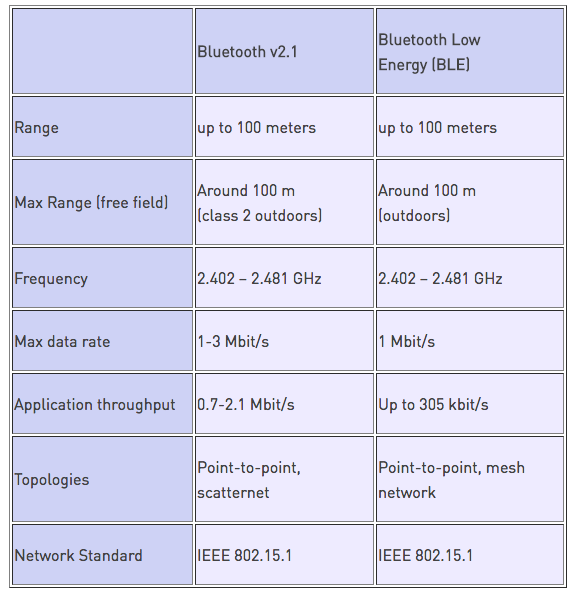
Bluetooth Classic vs. Bluetooth Low Energy

Bluetooth was originally designed to exchange a lot of data at close range in continuous, streaming data applications. The devices are able to both send and receive data at the same time. This is perfect for many common consumer products, such as computer headsets, where the two devices are close together.

When Bluetooth Low Energy (BLE, formerly called Bluetooth Smart) hit the market in 2011, the key advantage over earlier versions was lower power consumption over the same range, but with lower bandwidth. It’s intended for devices that only need to exchange small amounts of data periodically, extending battery life by months or even years.

Comparison table for Bluetooth ranges:
Range depends on surroundings, radio performance and antennas

There are many factors affecting Bluetooth range, typically:

  • The output power of the transmitter
  • The sensitivity of the receiver
  • Physical obstacles in the transmission path
  • The antennas

While the radio performance and antennas are pretty static for a given Bluetooth device, the surroundings can vary a lot. Outdoors, in an open field, you can get a range of up to a hundred meters. But that is a rare situation. Indoors, obstacles like concrete walls will attenuate the radio signal and the effective range will be drastically reduced. In normal use, ten meters is a good guide to what can be achieved between two Bluetooth devices indoors.

When developing a Bluetooth device, you can give your device a better range by selecting the Bluetooth chip with the best receiver sensitivity and output power, and making sure that you use a good antenna.

Sometimes you may need to use Bluetooth over hundreds or thousands of meters. In the next section we will discuss how to extend Bluetooth range using networks.

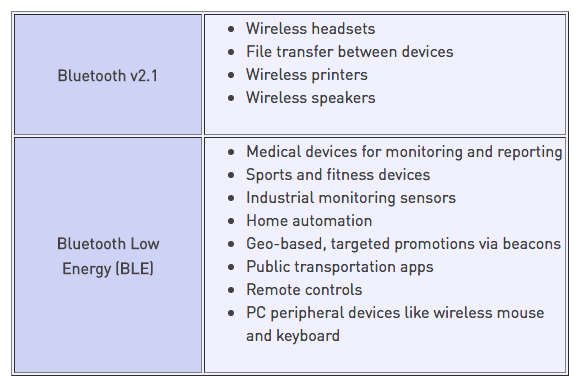
Typical use of Bluetooth and Bluetooth Low Energy:
How to improve Bluetooth range with networking

cloud-network-internet.jpg

You can connect Bluetooth devices to multiple distributed gateways connected to the internet. The Bluetooth devices can communicate with each other, and with online services, via these gateways. This is an ideal solution if the devices are spread over a large geographical area. Each hub can usually only handle a few directly connected devices, which is another limitation of Bluetooth. You are likely to run into a situation where you want to handle hundreds or even thousands of Bluetooth devices in a relatively small area, such as an office building. For this you need to use a Mesh Network to connect the gateway and the local Bluetooth devices.

The power of mesh networks.

mesh-network-internet.jpg

The number of devices that require low-power operation and communication with other devices – and online services – is growing daily. In order to support this, BLE introduced support for Mesh Networks. A Mesh Network allows you to connect a large number of Bluetooth devices over a wider area. In this situation, all devices, or “nodes”, in the same mesh are able to communicate with each other, either directly or via one or more intermediate nodes, as long as each node is close enough to at least two others.

This way, the network does not depend on a central gateway to pass all traffic.

Just like the Internet, data packets can find the most efficient route via any nodes between the sender and the receiver.

In a Mesh Network you can also use a “broadcasting” approach, where all nodes within the Mesh Network receive the same message, and then interpret it and take appropriate action.

room-lights-on-smart-lightbulb.png

One example could be a smart lighting system. Each switch or bulb is a node on a Mesh Network using Bluetooth Low Energy. Each bulb is configured to know which room it’s in. The message is broadcast from Node 1, a light switch, via the mesh. The connected light bulbs in Room 1 receive this message, but they will not act upon it, as they know they are not in Room 2. The message is passed along and when it reaches the bulbs in Room 2, they turn on. Room 2 could be hundreds of meters away from Room 1, but will still receive the message via the other nodes in between. This way there could be a thousand or more rooms, all with lighting controlled from anywhere, using a Bluetooth Low Energy Network.