Bluetoothモジュールを選定する際に気を付けること

Raytac Corporation

A BT4.1 & BT4.2 module maker based on Nordic nRF51 & nRF52 solution 
(nRF51822 & nRF51422 & nRF52832 & nRF51802)
Tel: +886.2.3234.0208
email: service@raytac.com
日本での代理店への連絡は下記の通り。
株式会社フクミ (Fukumi corporation)
消費材企画開発Gr. LBTチーム (Consumer Products R&D Group, LBT team)
榊 和優 (Kazumasa Sakaki)
Tel : 03-5687-2890 (+81-3-5687-2890)
Mail : lbt_bt@fukumi.co.jp
ブログから引用。詳細は下記Link先へ。
 
 
どのBluetoothモジュールを採用するか
検討される際に過去記事「認証取得済みBLEモジュールと開発環境」にて
幾つか注意点がありましたが、
今回の記事はその追加分となります。
その追加分とは「Profile」のことです。
以前、Bluetoothのロゴ認証において、
新たにDIDが必要になる条件は下記の3つに変更が有った時と説明しました。
・Design
・Feature
・Brand names
このFeatureにあたるのがProfileになります。
感の良い方は気付いていると思いますが、
購入して組み込む予定のモジュールがQDIDを持っているとしても、
自社製品に組み込む際に使用するProfileが
そのQDIDのProfile ICSにおいて「No」にチェックが入っていたら
新たにQDLを作成して登録する必要があります。
従いまして、QDIDを持っているモジュールを購入して組み込む際にも
自社にてDIDを購入しロゴ認証プロセスが必要になるのは変わりないですが、
上記の場合は、そのままQDIDを参照にすることが出来ない差が出てきます。
テスト機関にもよりますがおそらくコストにも差が出るものと思われます。
現在各社のモジュールを検討されている方は
このProfileの点も気にしてBluetooth SIGより検索・確認してみてください。
ちなみにRaytac社のMDBT40シリーズが所持しているProfileの概要は下記の通りです。
(この範囲内であれば、初期費用を最低限に抑えられます)
・Aleart Notification
・Blood Pressure
・Cycling Speed & Cadence
・Glucose Profile
・Health Thermometer
・Heart Rate Profile
・HID over GATT
・Proximity
・Running Speed & Cadence

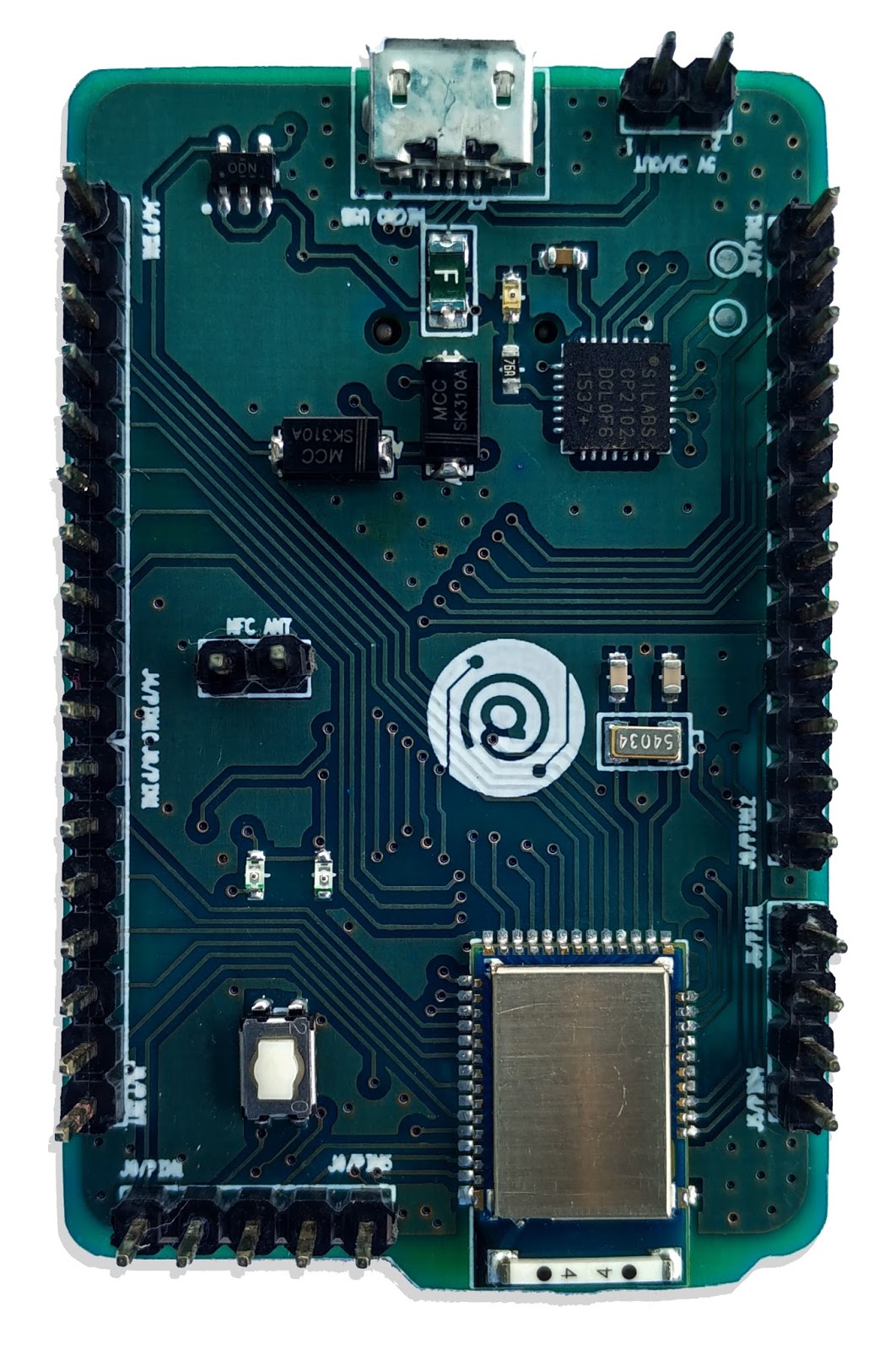
Raytac’s Welcome Indian Distributor Atoll Solutions Join the Module Selling

Raytac Corporation
A BT4.1 & BT4.2 module maker based on Nordic nRF51 & nRF52 solution 
(nRF51822 & nRF51422 & nRF52832 & nRF51802)
Tel: +886.2.3234.0208
Atoll Solutions Pvt Ltd.,
#229, 2nd Floor, 2A Main, 5th Cross,
New Thippasandra, HAL 3rd Stage,
Bangalore – 560 075
India
Description BlueBee:
Atoll BlueBee evaluation board is targeted at customers looking build products
with Nordic Semiconductor’s nRF52 BT4.2 chip. To ease of movement from
development to production, board is developed with Raytac Corporation’s MDBT42Q module.
Reaytac MDBT42Q module is certified for worldwide use.


フラッシュメモリとOTA-DFUについて

Raytac Corporation

A BT4.1 & BT4.2 module maker based on Nordic nRF51 & nRF52 solution 
(nRF51822 & nRF51422 & nRF52832 & nRF51802)
Tel: +886.2.3234.0208
email: service@raytac.com
日本での代理店への連絡は下記の通り。
株式会社フクミ (Fukumi corporation)
消費材企画開発Gr. LBTチーム (Consumer Products R&D Group, LBT team)
榊 和優 (Kazumasa Sakaki)
Tel : 03-5687-2890 (+81-3-5687-2890)
Mail : lbt_bt@fukumi.co.jp
ブログから引用。詳細は下記Link先へ。
もしあなたが開発者であれば、簡単にファームウェアをアップデートできる様な
メモリー技術を選択するのは非常に重要であることは理解されていると思います。
何故なら、エラーを見つけたときに製品を捨てる必要がありませんし、
もしそれが市場にリリースした後であれば、大きな損害から避けることが出来るためです。
ファームウェアは不揮発性メモリ(ROM、EPROM、フラッシュメモリ等)に格納されています。
今回はDFUが可能なフラッシュメモリとその恩恵についてもう少し見てみましょう。
*DFU・・・Device FirmWare Update

●無線通信で製品をアップデート
過去においてはファームウェアをROMに書き込むのことは非常に大変で、
特に製造後に変更するという事は考えられませんでした。
またインターネットが普及する前においては、
不具合製品は製造元に戻され更新されるか、単純に廃番とされました。
この様に最初から製品を再構築する行為は、
最悪、経営困難な状態に陥れるほどの経済的なインパクトがあるケースもあります。
昨今においては無線でファームウェアを更新できるようになったため、
この様な状況を回避できるようになりましたし、
競合会社においても日々製品を改善するために、
無線通信で製品のアップグレードを定期的に行っているところもあります。
●十分な試験と評価をしてリリースしているのに、なぜ更新が必要なのか?
もし自身の製品が100%完璧だと思っても、
セキュリティー面であったり、バグの解消を伴うアップデートは必要不可欠です。
問題は遅かれ早かれやってくるものが常です。
また、サードパーティーに対応する事にも準備することは忘れてはいけません。
例えば、Bluetooth自体の仕様更新や、iOSやAndroidの更新などがそれに該当します。
台湾Raytacが供給するBLEモジュールはNordic Semiconductorのチップを搭載しており、
それは他のソリューションと比べても少ないメモリ要求でOTA-DUFを可能としています。
*OTA-DFU・・・Over The Air – Device Firmware Update
これによって、いつでもプログラムメモリ全体(若しくは一部)において
更新を掛けることが可能です。
もしスマートフォンのOS更新によって、あなたの製品も更新が必要となる状況が発生したら
ユーザーは元々約束された機能を果たすことを引き続き期待されるはずです。
(それがサードパーディーのOSに依存している製品であってもです)
したがって、更新が出来る様に設計されていない製品は
その都度ユーザーからの支持を失ってしまう結果を招いてしまいます。
●ファームウェア更新の恩恵
-市場投入の時間短縮
-無線通信でパッチの適用が可能に
-市場環境変化への適用
●市場投入の時間短縮
あなたの市場において、競争力のあるポジションをキープしようとする場合、
トレンドに対して目を光らせて、機会に対して素早い対応が必要となります。
もし市場投入前に市場に合わせた完璧な製品を企画し、作り上げていくスタイルであれば、
既に競合は先に行っていることでしょう。
100%以前の段階で市場に投入し、そこで無線通信を使用して更新・磨き上げていく事が
OTA-DFUの利点を活かす方法になります。
●無線通信でパッチを適用する
完璧なソフトウェアは有りません。
オプションとしてOTA-DFUがないときは、
市場投入する前に製品のテストに非常に多くの時間を費やすこととなりましたが、
今日では前述の通りそうではありません。
セキュリティーホールやバグフィックスの対応を回収することなく、
無線通信で素早く行えるのがOTA-DFUの最大の魅力と言えます。
●市場環境変化への適用
製品を完成する事ばかり気にしていてはいけません。
競合はその間に新しい機能を追加して、あなたのユーザーもそれを知ることになります。
OTA-DFUを使用することにより、上述の通りすぐ対応できる体制が整っています。
市場からの声に耳を傾け、競争力のある製品作りを目指しましょう。
●更新情報をユーザーに通知する
これには幾つかの方法があります。
一つは定期的にファームウェアの更新情報を定期的に読み込みに行く機能を付加する事ですが、
インターネットに直接つながっている必要があり、モノによっては現実的でありません。
他には直接的なインターネットとの接続ではなくモバイルAPPを介して更新する方法です。
これは互換性のあるソフトウェアを選択してアップデートをかけられるメリットがあります。
もし、ユーザーが製品を登録している場合は、メールやSMS等のメッセージサービスを利用して
ユーザーに通知する事も出来ます。
ユーザーには必要なアクションを取ってもらうセミオート式のアプローチですが、
マニュアル操作は最小限に抑えられるでしょう。
またもしあなたの製品がポピュラーな場合は、OTA更新をリリースすることも検討できます。
製品サービスの加入者をグループに分け、個々に通知を分けることで
サーバーへの負荷も分散できるメリットがあります。
以上の様にOTA-DFUが出来る設計はユーザーの期待に応えるうえでも
競争力の観点からもメリットが非常に多い事がわかります。
またメモリを最小限に利用する為にもNordicのソリューションを検討することは
他社に差をつける一つの要素になりそうです。

MDBT42Q Series Module (Nordic nRF52 Solution) Spec Sheet Updated

Raytac Corporation
A BT4.1 & BT4.2 module maker based on Nordic nRF51 & nRF52 solution 
(nRF51822 & nRF51422 & nRF52832 & nRF51802)
Tel: +886.2.3234.0208
MDBT42 and MDBT42Q, solution by Nordic nRF52832, recently has FCC/CE/IC/Telec/SRRC/NCC granted.
We are sincerely invite all developers to download the updated Specification Sheet from below Link.
Products which built by MDBT42 or MDBT42Q now allowed to get rid of annoying safety regulation application and testing but ship and marketing in USA, Canada, Japan, China according to Module Approval Policy.
MDBT42 & MDBT42-P Spec Sheet Download Link

What is the difference between BT4.1 & BT4.2

Raytac Corporation
A BT4.1 & BT4.2 module maker based on Nordic nRF51 & nRF52 solution 
(nRF51822 & nRF51422 & nRF52832 & nRF51802)
Tel: +886.2.3234.0208
What is BT4.1 and 4.2~ That is a frequent question for our customers.
Here, we quoted some information from SIG to help readers have easy understanding between different Bluetooth version.

BT4.1

This updated specification aims to improve consumer usability with increased co-existence support for LTE,  efficient data exchange rates, and aid developer innovation by allowing devices to support multiple roles simultaneously.
  • Improving Usability—extends the brand promise to consumers with an “it just works” experience. This spec is engineered with several new features to make it work seamlessly with popular cell technologies like LTE, maintain connections with less frequent manual reconnection, and deliver a more efficient data exchange.
  • Empowering Developer Innovation—provides developers with greater flexibility to create innovative Bluetooth products and solutions through dual-mode topology and link-layer topology software features.
  • Enabling the Internet of Things—lays the groundwork for IP-based connections by allowing devices to setup a dedicated communication channel in the future thereby extending the central position for Bluetooth technology in the Internet of Things.

BT4.2

Key updates in 4.2 improve privacy and increase speed, and a soon-to-be ratified profile will enable IP connectivity.
  • Privacy and Security

Bluetooth 4.2 introduces industry-leading privacy settings that lowers power consumption and builds upon the government-grade security features of the Bluetooth specification. The new privacy features put control back into the hands of the consumer by making it difficult for eavesdroppers to track a device through its Bluetooth connection without permission. For example, when shopping in a retail store with beacons, unless you’ve enabled permission for the beacon to engage with your device, you can’t be tracked.

  • Speed

Bluetooth 4.2 increases the speed and reliability of data transfers between Bluetooth Smart devices. By increasing the capacity of Bluetooth Smart packets, devices transfer data up to 2.5 times faster than with previous versions. Increased data transfer speeds and packet capacity reduces the opportunity for transmission errors to occur and reduces battery consumption, resulting in a more efficient connection.

  • Internet Connectivity

Building on the capabilities released earlier with Bluetooth 4.1 and the new features released in 4.2, the Internet Protocol Support Profile (IPSP) will allow Bluetooth Smart sensors to access the Internet directly via IPv6/6LoWPAN. IP connectivity makes it possible to use existing IP infrastructure to manage Bluetooth Smart “edge” devices. This is ideal for connected home scenarios that need both personal and wide area control. This profile will be ratified by the end of the year.

Open source Bluetooth low energy beacon is so simple to program and debug almost anyone can do it wirelessly from a website with JavaScript

Raytac Corporation
A BT4.1 & BT4.2 module maker based on Nordic nRF51 & nRF52 solution 
(nRF51822 & nRF51422 & nRF52832 & nRF51802)
Tel: +886.2.3234.0208
This open source Bluetooth low energy beacon is like a development kit and finished product all in one small package that needs no wires or software
Entering its last week on Kickstarter for delivery in December (campaign ends Friday August 5 at 8pm GMT) the $30 Puck.js has all the required programing and debug software tools built-in, and runs from a single Nordic Semiconductor nRF52832 Bluetooth low energy System-on-Chip (SoC) with built-in ARM Cortex M4F processor
,
Nordic Semiconductor today announces the availability on Kickstarter of a Nordic nRF52832 SoC based Bluetooth® low energy (formerly Bluetooth Smart) beacon, named Puck.js, that is said to be so simple to program almost anyone can do it wirelessly from a website using a graphical editor or easy-to-learn JavaScript instead of C or C++ traditionally used by Bluetooth low energy beacon developers.
“Most manufacturers conveniently gloss over the difficulties of programming their hardware, and other beacons are provided without software or left crippled by their boring factory-installed firmware,” says UK-based Puck.js creator, Gordon Williams. “Puck.js is different. It comes with our Open Source JavaScript interpreter ‘Espruino’ pre-installed, which makes it incredibly easy-to-use and means you can get started in just seconds, without any prior programming experience.”
The intentionally hacker-friendly Puck.js is open source, supports both the iBeacon and Eddystone beacon formats, and will be supplied with firmware updates for the forthcoming Bluetooth v5.0 specification that will quadruple the range and double the speed of Bluetooth v4.2. Puck.js has a circular 35mm diameter form-factor that is 10mm thick, with a silicone rubber cover and plastic base. It is powered from a CR2032 coin cell battery and includes a magnetometer (digital compass), user-assignable tactile button, and four (Red, Green, Blue, and Infrared) LEDs.
Thanks to the Nordic Semiconductor nRF52832 SoC, the Puck.js benefits from an extremely powerful ARM® Cortex®-M4F processor, 64MHz clock speed, an extremely generous 64kB of RAM and 512kB of Flash, built-in Near-Field Comms (NFC™), Over-the-Air firmware updates, 12-bit ADC, timers, SPI, I2C, and serial interfaces that can be used on any available pins, plus a temperature sensor.
Williams says that in summary this means the Puck.js can measure rotation (e.g. using the Puck as a control knob), light, temperature, magnetic fields (e.g. magnets used on doors to detect opening and closing or water level via a magnet on a float), can control Infrared devices, and produce any color light.
“JavaScript is probably the most popular programming language at the moment and the majority of web developers, makers, and students at school wouldn’t usually have used C or C++,” Williams continues. “So what I aimed to do with Puck.js was lower the barrier-to-entry and make development easier and more fun – allowing a whole bunch of people to use Bluetooth low energy beacon and IoT technologies that may otherwise be restricted to professional embedded developers.”
Williams says Puck.js is like a development kit that’s also a finished product. “You insert a battery, put the case on, and it’s a ready-to-go Bluetooth low energy beacon straight-out-the-box with no wires of software required,” he adds. “At the same time it’s very easy to add new functions and features for home automation projects, IoT prototyping, or education purposes.”

MDBT42Q Development Board Now Available

Raytac Corporation

A BT4.1 & BT4.2 module maker based on Nordic nRF51 & nRF52 solution 

(nRF51822 & nRF51422 & nRF52832 & nRF51802)

Tel: +886.2.3234.0208

MDBT42Q / MDBT42Q-P which are built based on Nordic nRF52832 solution.

The modules now are already in mass production stage for volume shipment.

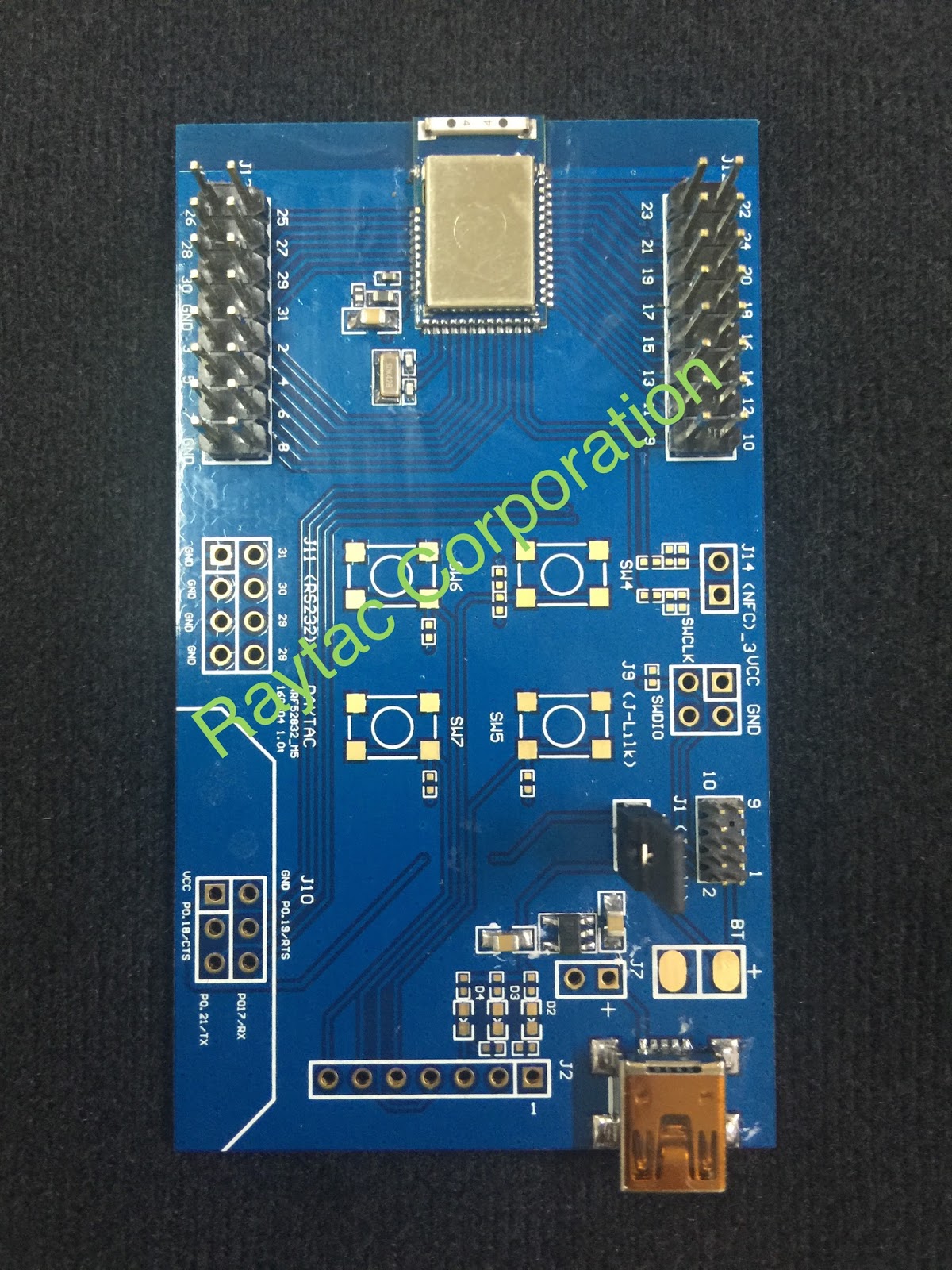
Raytac would like to announce that MDBT42Q Series Development Board now is available.

Developers may access through Raytac’s Distributors or direct to Raytac Corporation for inquiry.

What is dBm?

Raytac Corporation

A BT4.1 & BT4.2 module maker based on Nordic nRF51 & nRF52 solution 

(nRF51822 & nRF51422 & nRF52832 & nRF51802)

Tel: +886.2.3234.0208

What is dBM?

From Spec sheet, we can find the output power always stated as dBM.

For example:

Nordic nRF52832

Transmitting power (+4dBM~-20dBM) / Receiving Sensitivity (-96dBM)

dBm is the unit for radiowave, it is a way to express the comparison between the reference signal value

The reference value is 0dBM at 1mW, the unit represented as shown below

1/10000 times = -40 dBm

1/1000 times = -30 dBm

1/100 times = -20 dBm

1/10 times = -10 dBm

1mW =     0 dbm ← Reference Signal Value

10 times  =  10 dBm

100 times  =  20 dBm

1000 times  =  30 dBm

Raytac MDBT42Q-P512K評価サンプル出荷開始

Raytac Corporation

A BT4.1 & BT4.2 module maker based on Nordic nRF51 & nRF52 solution 
(nRF51822 & nRF51422 & nRF52832 & nRF51802)
Tel: +886.2.3234.0208
email: service@raytac.com
日本での代理店への連絡は下記の通り。
株式会社フクミ (Fukumi corporation)
消費材企画開発Gr. LBTチーム (Consumer Products R&D Group, LBT team)
榊 和優 (Kazumasa Sakaki)
Tel : 03-5687-2890 (+81-3-5687-2890)
Mail : lbt_bt@fukumi.co.jp
ブログから引用。詳細は下記Link先へ。

http://bluetooth.tokyo/raytac-mdbt42q-p512k%E8%A9%95%E4%BE%A1%E3%82%B5%E3%83%B3%E3%83%97%E3%83%AB%E5%87%BA%E8%8D%B7%E9%96%8B%E5%A7%8B-360.html

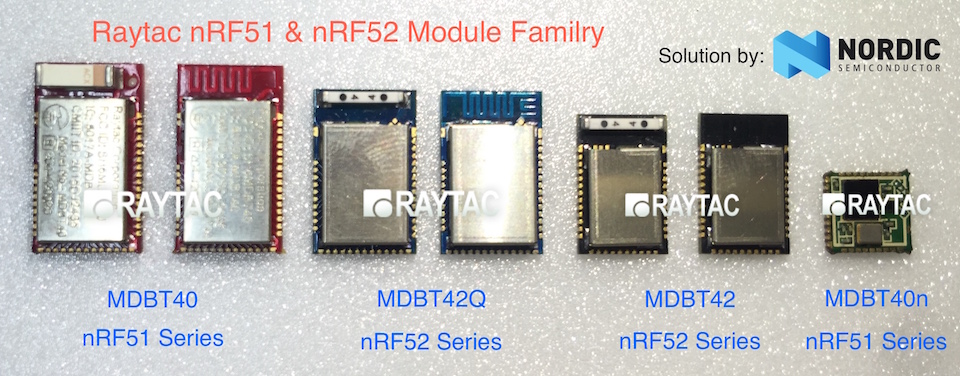
先に出荷が開始されたMDBT42Q-512Kとはアンテナの違いだけです。
品番に「P」が付くとPCBのパターンアンテナ(通信距離目安60M)で、
「P」が付かないとチップアンテナ(通信距離目安80M)となります。
■MDBT42Q 概要
SoC:nRF52832
BT ver :BT4.2
Size : 16 x 10 x 2.2mm
Flash memory : 512kB
RAM : 64kB
Antenna : Chip Antenna (MDBT42Q-512K) / Printed Antenna (MDBT42Q-P512K)
評価サンプルをご希望される場合ですが、
メニューの「お問い合わせ」もしくは「見積依頼」よりお願い致します。

MDBT42 Module (Nordic nRF52832 Solution) Now Launched

Raytac Corporation

A BT4.1 & BT4.2 module maker based on Nordic nRF51 & nRF52 solution 

(nRF51822 & nRF51422 & nRF52832 & nRF51802)

Tel: +886.2.3234.0208

MDBT42, based on Nordic nRF52832 WL-CSP solution, is about to be armed and targeting for IoT industry.

Raytac’s module line in 2016 now has become ready and all well loaded.

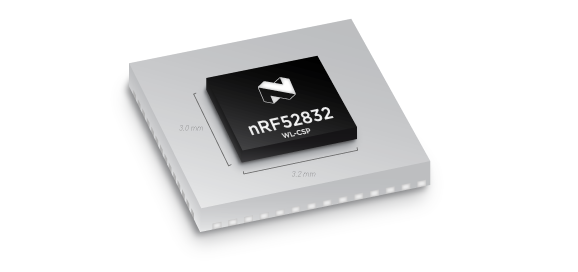
Targeting next-generation wearables and space-constrained IoT applications, the nRF52832 Wafer Level Chip Scale Package (WL-CSP) has a super-compact 3.0 by 3.2mm footprint that occupies one quarter of the footprint area of Nordic’s standard 6.0 by 6.0mm QFN48-packaged nRF52832, yet offers the same full feature set

Oslo, Norway 2016/07/05

Nordic Semiconductor today announces the availability of a Wafer Level Chip Scale Package (WL-CSP) variant of its nRF52832 Bluetooth® low energy (formerly known as Bluetooth Smart) System-on-Chip (SoC) that occupies a quarter of the footprint area of the standard-packaged Nordic nRF52832 and targets next-generation, high-performance wearables and space-constrained IoT applications.

The nRF52832 WL-CSP has a super-compact 3.0 by 3.2mm footprint compared to the standard 6.0 by 6.0mm footprint of its larger but conventionally-packaged nRF52832 QFN48 cousin, yet offers the same full single-chip feature set and best-in-class, ultra-low-power application operation. This includes a powerful on-board 64MHz ARM® Cortex®-M4F processor that enables protocol and application task processing to be completed in unprecedentedly short time-frames, thus allowing power-saving sleep modes to be entered much quickly compared to competing devices.

Like the nRF52832, the nRF52832 WL-CSP features: 512kB Flash and 64kB RAM; on-chip NFC™ tag for consumer-friendly Touch-to-Pair; best-in-class ultra-high performance, ultra-low-power multi-protocol Bluetooth low energy, ANT™, and proprietary 2.4GHz radio; 5.5mA peak RX/TX currents; an on-chip RF Balun; plus a unique fully-automatic power management system that makes achieving optimal power consumption easy for designers.

The nRF52832 WL-CSP is compatible with Nordic’s Bluetooth 4.2 stacks and supporting SDKs including the latest S132 multi-role concurrent software stack, nRF5 SDK, nRF5 SDK for HomeKit, and nRF5 SDK for AirFuel (resonant wireless charging).

“The availability of a super-compact footprint nRF52832 brings new design opportunities to wearables and other space-constrained IoT applications,” comments Kjetil Holstad, Product Manager Ultra Low-Power Wireless at Nordic Semiconductor. “And this SoC is available now in high production volumes for immediate inclusion in upcoming product development.”

Holstad adds: “The evolution of wearables to date has only ever gone one way: ever increasing performance and functionality in ever-slimmer, lighter, form factors. The nRF52832 WL-CSP is by a clear margin, the smallest and most advanced Bluetooth low energy SoC available on the market today.”