Nordic 新SoC nRF51824提供開始

Raytac Corporation

A BT4.1 & BT4.2 module maker based on Nordic nRF51 & nRF52 solution 

(nRF51822 & nRF51422 & nRF52832 & nRF51802)

Tel: +886.2.3234.0208

email: service@raytac.com

日本での代理店への連絡は下記の通り。

株式会社フクミ (Fukumi corporation)

消費材企画開発Gr. LBTチーム (Consumer Products R&D Group, LBT team)

榊 和優 (Kazumasa Sakaki)

Tel : 03-5687-2890 (+81-3-5687-2890)

Mail : lbt_bt@fukumi.co.jp

株式会社フクミのブログから引用。詳細は下記Link先へ。

http://bluetooth.tokyo/

Nordic Semiconductorはコネクテッドカーに対応するnRF51824 Bluetooth Low Energy Socの

提供を開始したようです。

特に注目すべきは車載用集積回路向けのストレス信頼性試験AEC-Q100に合格した製品で

パフォーマンスとしてはnRF51822と同等だということです。

現在急速に進化を続け注目されている自動車分野への

強力なソリューションになることが期待されますね。

コネクテッドカーでの具体的な例といえば…

インテリジェントシート、ハンドル、ミラー、リモートキーレスエントリー等の車載装備関係や

情報システム、事故防止関係の予防・回避システム等でユーザーの利便性・安全性への

向上に寄与するのではないでしょうか?

また、エンジン回りでのケーブル類の置き換えで、

重量の軽減による燃費向上も期待できます。

そんなnRF51824はサンプル出荷を開始しており、6×6の48ピンQFNパッケージで供給されます。

Nordic Semiconductor launches nRF51824 Bluetooth low energy SoC

Raytac Corporation

A BT4.1 & BT4.2 module maker based on Nordic nRF51 & nRF52 solution 
(nRF51822 & nRF51422 & nRF52832 & nRF51802)
Tel: +886.2.3234.0208
The nRF51824 is qualified to the automotive AEC-Q100 stress test qualification for integrated circuits and delivers the same flexible feature range and performance as Nordic’s highly successful nRF51822 SoC
Nordic Semiconductor today announces the immediate availability of the nRF51824 Bluetooth® low energy (formerly Bluetooth Smart) SoC for the latest connected car intelligent automotive applications and wireless in-car charging.
The nRF51824 is qualified to the automotive AEC-Q100 stress test qualification for integrated circuits, and delivers the same flexible feature range and performance as Nordic’s highly successful and field-proven nRF51822 Bluetooth low energy SoC (256kB Flash and 16kB RAM variant) upon which the nRF51824 is based.
“The world of automotive is evolving rapidly towards the emergence of the connected car, and connected in-car ecosystems” says John Leonard, Product Marketing Manager at Nordic Semiconductor. “This will expand from Bluetooth enabled smartphones and tablets being wirelessly linked to in-car user interfaces to having a vast array of other factory-fitted elements being made wirelessly controllable and configurable.
“This will lead to connected in-vehicle ecosystems that contain ‘swarms of wireless sensors’ for driving experience enhancement, safety, and diagnostics. Examples will include intelligent seats, intelligent steering wheels, remote keyless entry [RKE] systems, intelligent mirrors, infotainment systems, and intelligent accident or incident proximity reporting. It also brings exciting opportunities for after-market equipment suppliers to deliver innovative in-car systems that communicate with each other and with smart mobile devices. The nRF51824 is the world’s most powerful automotive qualified Bluetooth low energy SoC and as such is very well suited to these application demands”
Under-the-hood systems could also benefit from Bluetooth wireless functionality, because this would enable manufacturers to reduce the cost and weight of traditional cable looms to offer simpler factory assembly, maintenance, and replacement, plus increased fuel economy.

nRFgo Studioのバージョンについて

Raytac Corporation

A BT4.1 & BT4.2 module maker based on Nordic nRF51 & nRF52 solution 

(nRF51822 & nRF51422 & nRF52832 & nRF51802)

Tel: +886.2.3234.0208

email: service@raytac.com

日本での代理店への連絡は下記の通り。

株式会社フクミ (Fukumi corporation)

消費材企画開発Gr. LBTチーム (Consumer Products R&D Group, LBT team)

榊 和優 (Kazumasa Sakaki)

Tel : 03-5687-2890 (+81-3-5687-2890)

Mail : lbt_bt@fukumi.co.jp

株式会社フクミのブログから引用。詳細は下記Link先へ。

http://bluetooth.tokyo/

nRFgoはNordic社が提供する開発用スタートキットです。

(内容)

2x nRFgo motherboards

2x USB cables

4x 10-ribbon flat cables

8x 2-lead patch cables

1x nRFgo display add-on module

Printed ‘Getting Started Guide’

*Digi key等で5万円程度で購入が出来ます。

今回は開発したファームウェアをモジュールに焼きこむためのソフトウェアnRFgo Studioについて

Tipsです。

現時点(2016年6月7日)では、最新バージョンが「1.21.2」となっていますが、

Raytac社が比較検証したところ「1.19.x」のバージョンが書き込み速度が一番早いようです。

生産時にnRFgoとnRFgo Studioを使用して大量にコーディングをしている場合は特にですが、

余計なコストを発生させない為にも以前のバージョン1.19.xを使用したいところです。

環境依存こそあるかもしれませんが、最新バージョンが優れているという概念を捨て

以前のバージョンも保持しておくことが必要だという事ですね。

Bluetooth SIG メンバーについて

Raytac Corporation

A BT4.1 & BT4.2 module maker based on Nordic nRF51 & nRF52 solution 
(nRF51822 & nRF51422 & nRF52832 & nRF51802)
Tel: +886.2.3234.0208
email: service@raytac.com
日本での代理店への連絡は下記の通り。
株式会社フクミ (Fukumi corporation)
消費材企画開発Gr. LBTチーム (Consumer Products R&D Group, LBT team)
榊 和優 (Kazumasa Sakaki)
Tel : 03-5687-2890 (+81-3-5687-2890)
Mail : lbt_bt@fukumi.co.jp
株式会社フクミのブログから引用。詳細は下記Link先へ。

http://bluetooth.tokyo/

Bluetoothのロゴを使用するためには
まずはSIGのメンバーになるのが前提ですが、
基本的には2つのメンバーが用意されています。
簡易的に説明しますと…
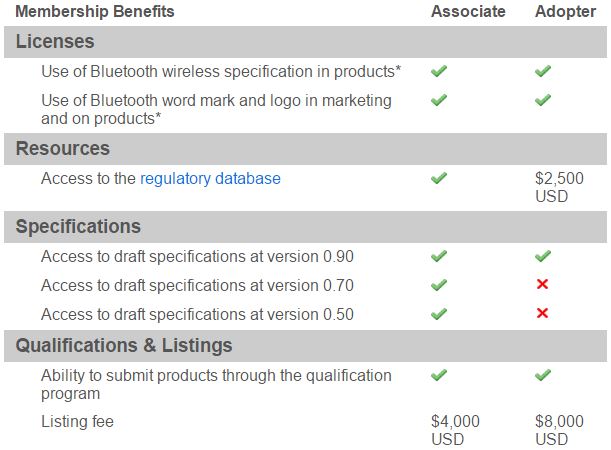
①アダプターメンバー
・参加費用無料
・DIDの購入費用 USD8,000 (下記表 Listing fee部分)
・テストツールのディスカウント無し 等々
②アソシエイトメンバー
・年会費USD7500(売上高USD100M未満)or USD35,000(売上高USD100M以上)
・DIDの購入費用 USD4,000
・テストツールのディスカウントやマーケティング情報等へのアクセス可 等々
詳しくは下記表が違いになります。
もし売上がUSD1M未満で過去SIGへのリスティングを行っていない場合は、
Innovation Incentive Programの適用が可能となり、USD2,500で最初のDID取得が可能です。
(DID取得から18カ月以内に使用しない場合は無効となります)
年間で2件以上登録を考えている場合はアソシエイトメンバーの方がお得ですね。

Bluetooth Smart / Smart Readyって?

Raytac Corporation

A BT4.1 & BT4.2 module maker based on Nordic nRF51 & nRF52 solution 

(nRF51822 & nRF51422 & nRF52832 & nRF51802)

Tel: +886.2.3234.0208

email: service@raytac.com

日本での代理店への連絡は下記の通り。

株式会社フクミ (Fukumi corporation)

消費材企画開発Gr. LBTチーム (Consumer Products R&D Group, LBT team)

榊 和優 (Kazumasa Sakaki)

Tel : 03-5687-2890 (+81-3-5687-2890)

Mail : lbt_bt@fukumi.co.jp

株式会社フクミのブログから引用。詳細は下記Link先へ。

http://bluetooth.tokyo/

Bluetooth SmartとBluetooth Smart Readyについて

SIGの説明を引用しながら紹介したいと思います。

■Bluetooth Smart/Ready機器とは?

<Bluetooth Smart>

LogoBluetoothSmart

Bluetooth Smartとは極低電力で動作する無線通信規格のBluetooth Low Energy(BLE)に

対応していることを示すブランド名のことです。

Bluetooth Smart 機器は、特定のタイプの情報(戸締りした?血糖値はどのくらい?今日の体重はどのくらい?等)を

収集することを目的としており、それらを Bluetooth Smart Ready 機器に送信します。

このような機器には心拍数モニター、血糖測定器、スマートウォッチ、窓およびドアのセキュリティセンサー、

カーキーリモコン、血圧測定用カフ(上腕に巻いて用いる、細長い袋状の布)などがあります。

<Bluetooth Smart Ready>

LogoBluetoothSmartReady

Bluetooth Smart ReadyとはBluetooth Low Evergy(BLE)とBluetooth Clasiccの両方が

実装されていることを示すブランド名のことです。

Bluetooth Smart Ready 機器は、既にユーザーの手にある何十億台もの Bluetooth 機器等

(電話機、タブレット、パソコン、テレビ、セットトップボックスやゲーム機など)に接続するのに最も効果的な手段です。

これらの機器は従来のBluetooth(Bluetooth Classic)やBluetooth Smartから送信されたデータを効率的に受信し、

データを役立つ情報に変換するアプリケーションに送られます。

■Bluetooth Smart マークを使用する利点

製品パッケージ、販売促進用品、ウェブサイトなどに Bluetooth Smart および Bluetooth Smart Ready マークを使用すると、以下のような非常に大きなマーケティング優位性があります。

・広く認められた信頼されているブランドマークで製品のお試しと購入が増加

-調査ではブランド識別はお試しと購入を後押し

-Bluetooth ブランドは消費者に 97% 以上の認知度がある

・明確な機器の互換性識別で消費者の混乱を取り除き、返品が減少

-消費者はどの機器が自分のスマート機器と互換性があるのかを知りたい

・長期的な最終顧客ロイヤルティを構築

-Bluetooth Smart および Bluetooth Smart Ready マークは将来の仕様バージョンに

わたって、購入の障壁と今後の機器アップグレードに関する消費者の混乱を低減します

■どうすれば製品にマークを付けることができるのか?

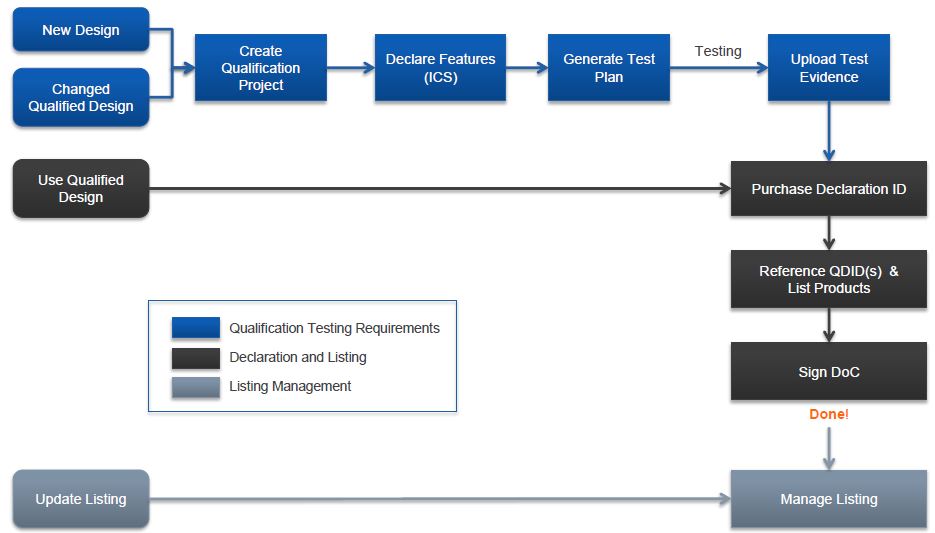
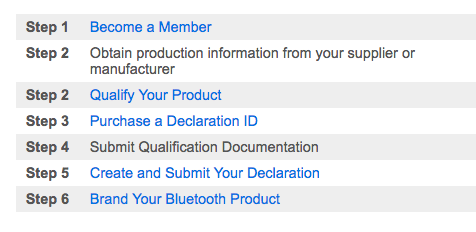
Bluetooth SIG の主要な目的の一つは、全て Bluetooth 製品が適切に認証され、

Bluetooth 使用許諾契約に従っていることをメンバーが確実にするために支援することです。

SIG によって管理されるオンラインツールを使って、

メンバーは完了すべき2つの段階のプロセス(認証および申告)があります。

 *Bluetooth Smart Ready マークを付けるには、機器は2つの基準を満たす必要があります。

・ベーシックレートとローエナジーの複合コア構成を備える BT4.0 (またはそれ以降) を内蔵

・エンドユーザーが Bluetooth Smart Ready 製品で Bluetooth Smart 製品の機能性のアップデートを

選択できる手段を提供にするために GATT 基盤アーキテクチャを使用

 *Bluetooth Smart マークを付けるには、機器は 2 つの基準を満たす必要があります。

・ローエナジーコア構成またはベーシックレートとローエナジーの複合コア構成を備えるBT4.0(またはそれ以降) を内蔵

・製品の特定機能を有効にするために GATT 基盤アーキテクチャを使用

Several Things About Bluetooth Effective Range

Raytac Corporation
A BT4.1 & BT4.2 module maker based on Nordic nRF51 & nRF52 solution 
(nRF51822 & nRF51422 & nRF52832 & nRF51802)
Tel: +886.2.3234.0208
Although the article pointed out the BLE effective range is upto 100M, the primary factors that determine the  still mostly depends on the transmission output power, hardware design, Receiver sensitivity. The related article may be referred in another Raytac’s blog:

Bluetooth Power Classes VS Working Range

Following contents quoted from Nordic Blog by By Jon Gunnar Sponås June 2, 2016

Things you should know about Bluetooth range

Like all communication technologies, Bluetooth is a better fit for some applications than other. If you’re considering to use Bluetooth, there are some basic things that are really good to know! Here’s an outline of the primary factors that determine the effective range of Bluetooth communications, plus some ways to improve it with networking.

Bluetooth Classic vs. Bluetooth Low Energy

Bluetooth was originally designed to exchange a lot of data at close range in continuous, streaming data applications. The devices are able to both send and receive data at the same time. This is perfect for many common consumer products, such as computer headsets, where the two devices are close together.

When Bluetooth Low Energy (BLE, formerly called Bluetooth Smart) hit the market in 2011, the key advantage over earlier versions was lower power consumption over the same range, but with lower bandwidth. It’s intended for devices that only need to exchange small amounts of data periodically, extending battery life by months or even years.

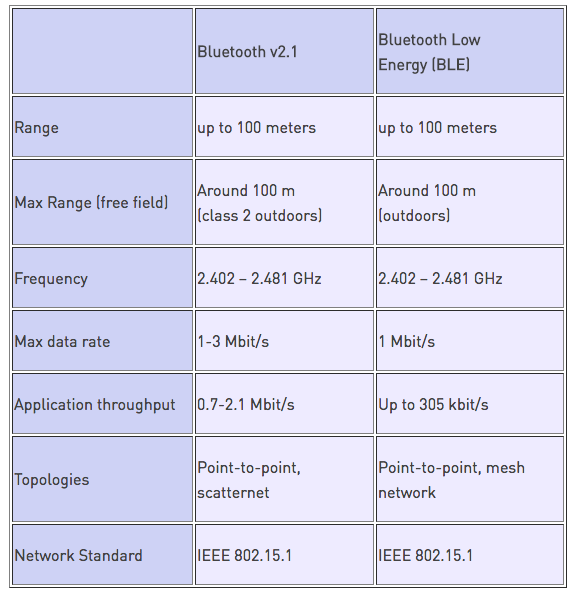
Comparison table for Bluetooth ranges:

Range depends on surroundings, radio performance and antennas

There are many factors affecting Bluetooth range, typically:

  • The output power of the transmitter
  • The sensitivity of the receiver
  • Physical obstacles in the transmission path
  • The antennas

While the radio performance and antennas are pretty static for a given Bluetooth device, the surroundings can vary a lot. Outdoors, in an open field, you can get a range of up to a hundred meters. But that is a rare situation. Indoors, obstacles like concrete walls will attenuate the radio signal and the effective range will be drastically reduced. In normal use, ten meters is a good guide to what can be achieved between two Bluetooth devices indoors.

When developing a Bluetooth device, you can give your device a better range by selecting the Bluetooth chip with the best receiver sensitivity and output power, and making sure that you use a good antenna.

Sometimes you may need to use Bluetooth over hundreds or thousands of meters. In the next section we will discuss how to extend Bluetooth range using networks.

Typical use of Bluetooth and Bluetooth Low Energy:

How to improve Bluetooth range with networking

cloud-network-internet.jpg

You can connect Bluetooth devices to multiple distributed gateways connected to the internet. The Bluetooth devices can communicate with each other, and with online services, via these gateways. This is an ideal solution if the devices are spread over a large geographical area. Each hub can usually only handle a few directly connected devices, which is another limitation of Bluetooth. You are likely to run into a situation where you want to handle hundreds or even thousands of Bluetooth devices in a relatively small area, such as an office building. For this you need to use a Mesh Network to connect the gateway and the local Bluetooth devices.

The power of mesh networks.

mesh-network-internet.jpg

The number of devices that require low-power operation and communication with other devices – and online services – is growing daily. In order to support this, BLE introduced support for Mesh Networks. A Mesh Network allows you to connect a large number of Bluetooth devices over a wider area. In this situation, all devices, or “nodes”, in the same mesh are able to communicate with each other, either directly or via one or more intermediate nodes, as long as each node is close enough to at least two others.

This way, the network does not depend on a central gateway to pass all traffic.

Just like the Internet, data packets can find the most efficient route via any nodes between the sender and the receiver.

In a Mesh Network you can also use a “broadcasting” approach, where all nodes within the Mesh Network receive the same message, and then interpret it and take appropriate action.

room-lights-on-smart-lightbulb.png

One example could be a smart lighting system. Each switch or bulb is a node on a Mesh Network using Bluetooth Low Energy. Each bulb is configured to know which room it’s in. The message is broadcast from Node 1, a light switch, via the mesh. The connected light bulbs in Room 1 receive this message, but they will not act upon it, as they know they are not in Room 2. The message is passed along and when it reaches the bulbs in Room 2, they turn on. Room 2 could be hundreds of meters away from Room 1, but will still receive the message via the other nodes in between. This way there could be a thousand or more rooms, all with lighting controlled from anywhere, using a Bluetooth Low Energy Network.


Bluetooth 4.2って???

Raytac Corporation

A BT4.1 & BT4.2 module maker based on Nordic nRF51 & nRF52 solution 
(nRF51822 & nRF51422 & nRF52832 & nRF51802)
Tel: +886.2.3234.0208
email: service@raytac.com
日本での代理店への連絡は下記の通り。
株式会社フクミ (Fukumi corporation)
消費材企画開発Gr. LBTチーム (Consumer Products R&D Group, LBT team)
榊 和優 (Kazumasa Sakaki)
Tel : 03-5687-2890 (+81-3-5687-2890)
Mail : lbt_bt@fukumi.co.jp
株式会社フクミのブログから引用。詳細は下記Link先へ。

http://bluetooth.tokyo/

Bluetooth4.2(以下BT4.2)については、
台湾Raytac社においても幾つもユーザー様から質問が来ていますので、
注目と興味の度合いは日に日に増してきていると感じます。
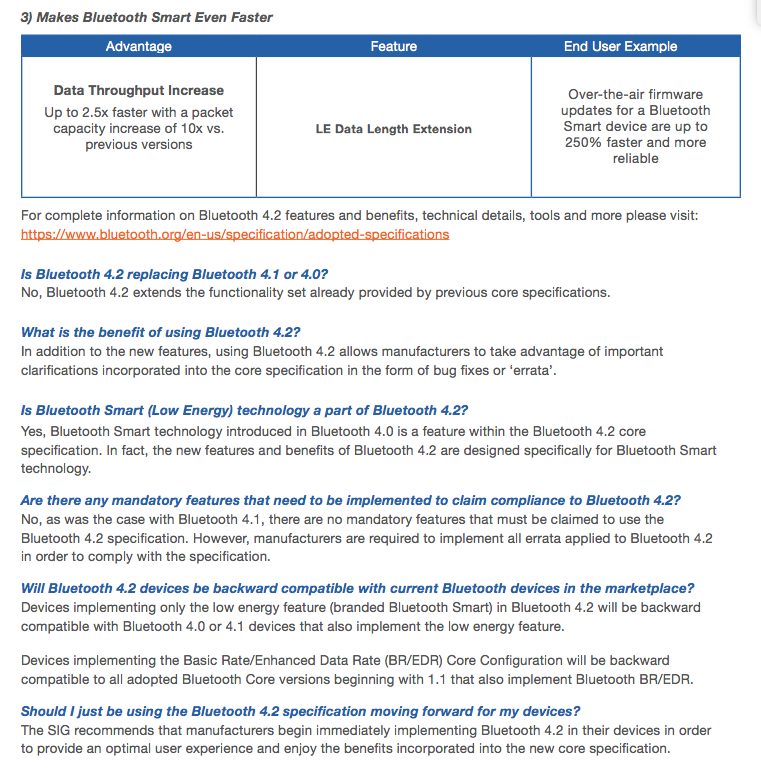
そこでSIGが発表しているFAQ資料を参考に掲載したいと思いますが、
そのFAQについて拙く一部翻訳して見ようと思います。(変だったらすみません…)
あくまでもご参考まで。
■技術面
Q. Bluetooth 4.2はBluetooth 4.1や4.0に置き換わりますか?
A. いいえ。Bluetooth 4.2は以前の主要な機能を拡張するものになります。
Q. Bluetooth 4.2にすることへの恩恵は?
A. 新機能が採用されたこともそうですが、今までのバグ修正や正誤表(Errata)において
コア仕様に取り込まれた重要な利点を得ることが出来ます。
Q. Bluetooth Smart(Low energy)はBluetooth 4.2の一部ですか?
A. はい。Bluetooth smart technologyはBluetooth4.0から導入されたものですが
4.2にも含まれます。実際BT4.2の新機能や利点はBluetooth smart technologyのために
設計されました。
Q. BT4.2の対応でComplianceプログラム上、何か必須機能を実装しなければいけませんか?
A. いいえ。BT4.1の時と同様に、BT4.2の仕様になったからといって要求される
必須機能はありません。しかし、製造業者の方々はBT4.2の仕様に準拠するように
正誤表(Errata)にある全ての項目について実装を行う必要があります。
Q. BT4.2は現在市場に出ているBluetoothと上位互換性はありますか?
A. BT4.2の省電力の機能(Bluetooth smart)についてのみ、4.0、4.1と上位互換性があります。
BR/EDR(基本レート / 拡張データレート)の実装については、
同じくBR/EDRの1.1から始まるバージョンの実装と上位互換性があります。
Q. 4.2の仕様に移行すべきしょうか?
A. ユーザーにより良いユーザーエクスペリエンスを提供する為、
また新しい仕様による恩恵を受けるために、すぐにでも実装することをお勧めします。
■認証
Q. Bluetooth 4.2になってロゴ認証手順の変更はありますか?
A. いいえ。ロゴ認証手順は全てのBluetooth仕様において同様です。
Q. Bluetooth2.0,2.1,3.0,4.1においてロゴ認証はまだ取得可能ですか?
A. はい。コア仕様のバージョン2.0 +EDR, 2.1+EDR, 3.0+HS, 4.0, 4.1は使用可能ですし、
認証も今まで通りです。
Q. BT4.2のサブシステムに統合されたBT4.1やそれ以前のサブシステムは
どの様な名称で呼べば良いですか?
A. 低い方のバージョン仕様にて呼ばれることになります。
例えば2.1+EDRの制御サブシステムと4.2のホストサブシステムの場合は
2.1+EDRのままで呼ばれます。
詳細は以下の「Product Naming Conventions」のBluetooth brand guideを参照してください。
https://www.bluetooth.org/en-us/bluetooth-brand/ bluetooth-brand
Q. 私の製品は以前のバージョンでロゴ認証を取得していますが、
BT4.2へと再度ロゴ認証を取得する必要がありますか?
A. いいえ。その製品のロゴ認証は有効のままで、再度取得する必要はありませんが、
以前のバージョンを4.2へとアップデート等の変更を伴う場合は新たに取得する必要があります。
Q. どこでBluetooth 4.2のアップデートについて技術的な詳細を得ることができますか?
下記ページで確認できます。
https://www.bluetooth.org/en-us/specification/adopted-specifications
Q. Bluetooth 4.2のロゴ認証はいつから開始できますか?
2014年12月09日 15:00(PST)から可能です。
■開発
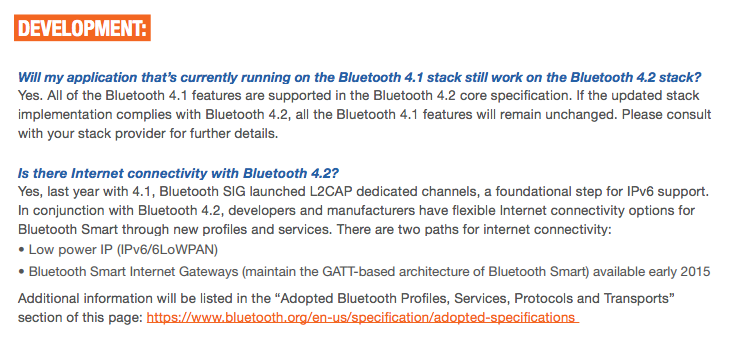
Q. BT4.1スタックで動かしているアプリケーションはBT4.2スタックにおいても機能しますか?
A. はい。BT4.1のすべての機能は4.2で機能します。
もし更新されたスタックがBT4.2に適合しているのであれば、
BT4.1の機能はそのまま変更されません。
詳細については各スタックプロバイダーに相談してみてください。
Q. BT4.2はインターネットに接続できますか?
A.はい。BT4.1から専用チャネルであるL2CAPの対応等、
Ipv6対応のための基礎となる取り組みを開始しました。
BT4.2においては、開発者や製造者は新たなプロファイルとサービスを通して
Bluetooth Smartの為のインターネット接続において柔軟な選択肢を持てるようになりました。
インターネットに接続する手段は以下の2つとなります。
・省電力IP (IPv6 / 6LowPAN)
・Bluetooth Smart internet Gateways(Bluetooth SmartのGATTベース)
追加情報に関して“Adopted Bluetooth Profiles, Services, Protocols and Transports”にて。
https://www.bluetooth.org/en-us/specification/adopted-specifications
*ちょっと疲れてきたので…より簡易にします
■商標
Q. 「Bluetooth 4.2」と商標として表示すべきでしょうか?
A. いいえ。 4.2のBluetooth smart機能においては任意ですし、
互換性をユーザーに即座に分かってもらうためにも、ユーザーを困惑させないためにも、
仕様バージョンの表示はしないほうが良いでしょう。
Q. Bluetooth 4.2が使用可能な製品において「Bluetooth Smart」と表示をした方が良いですか?
A. 全てのBT4.2の製品がLow Energyというわけではありませんので、
自社の実装した製品のBT4.2の機能によって表示を検討すべきです。
詳しくは下記ページ参照。
https://www.bluetooth.org/en-us/bluetooth-brand/ bluetooth-brand
Q. なぜSIGは「Bluetooth Smart」と「Smart Ready 」のブランドを追加したのですか?
A. Bluetooth Low Energy のみを使っている製品は
Bluetooth Basic Rateだけを使用している製品と互換性がない為、
ユーザーがロゴより即座に互換性を判断できるように新たに追加しました。
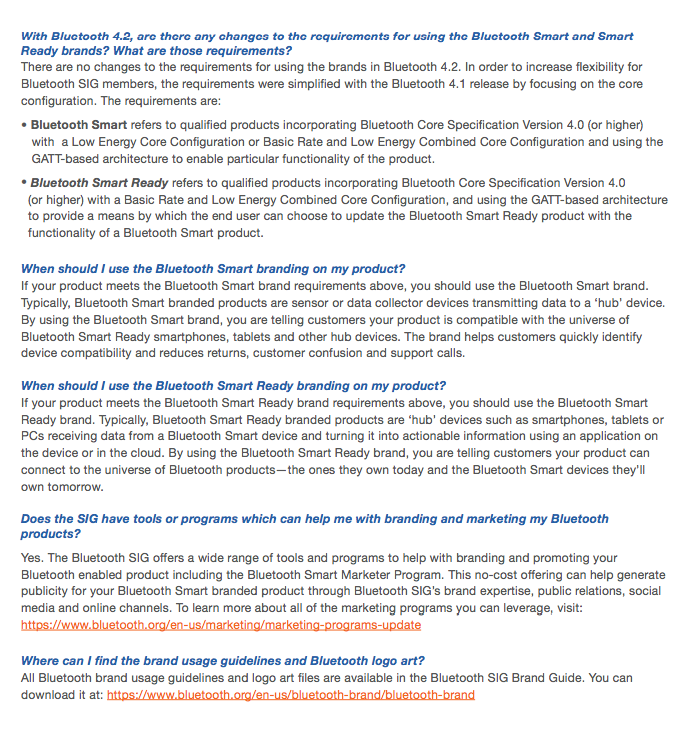
Q. BT4.2においてBluetooth Smart とSmart Ready を使用する場合に何か変更はありますか?
またその要件は?
A. 変更はありません。(BT4.1のリリース時に簡略化されています。)
それぞれの条件は下記の通りです。
「Bluetooth Smart」…Bluetooth4.0(orそれ以上)のLow EnergyかBasic Rate/LowEnergyの
組み合わせに適合している製品で、GATTベースのアーキテクチャを使っているという条件を
満たしているもの。
「Bluetooth Smart Ready」…Bluetooth4.0(若しくはそれ以上)のBasic RateとLow Energyを
併用しており、それぞれが適合している製品で、ユーザーにSmart Ready製品の更新を
選択させることが出来るGATTベースアーキテクチャを使っているという条件を満たしているもの。
Q. いつからBluetooth Smartという表記を使うことができますか?
A. 上記条件に対応していれば、すぐにでもユーザーの混乱を避けるために表示するべきです。
Q. いつからBluetooth Smart Readyという表記を使うことができますか?
A. 同上
Q. SIG団体はBluetoothプロダクトのブランディングとマーケティングを助けるツールや
プログラムを持っていますか?
A.はい。下記参照。
https://www.bluetooth.org/en-us/marketing/marketing-programs-update
Q. Bluetooth商標の使用ガイドラインはどこで見つけられますか?
A. 下記参照。
https://www.bluetooth.org/en-us/bluetooth-brand/bluetooth-brand
下記、本文(翻訳元)です。上記訳が信用できない…時などに。

ウェアラブル端末の6つの通信規格

Raytac Corporation

A BT4.1 & BT4.2 module maker based on Nordic nRF51 & nRF52 solution 
(nRF51822 & nRF51422 & nRF52832 & nRF51802)
Tel: +886.2.3234.0208
email: service@raytac.com
日本での代理店への連絡は下記の通り。
株式会社フクミ (Fukumi corporation)
消費材企画開発Gr. LBTチーム (Consumer Products R&D Group, LBT team)
榊 和優 (Kazumasa Sakaki)
Tel : 03-5687-2890 (+81-3-5687-2890)
Mail : lbt_bt@fukumi.co.jp
株式会社フクミのブログから引用。詳細は下記Link先へ。

http://bluetooth.tokyo/

 
ウェアラブルデバイスを設計する段階で、通信規格の選択は製品の性格を決める非常に重要な要素となります。
それぞれの細かい技術的な要素や知識を持つまで必要は無いと思いますが、
簡単な特徴ぐらいは抑えておく必要があります。
今回は非常に簡易ですが、6つの一般的な通信規格の特徴について検討してみたいと思います。
wireless-technologies-for-wearables
■Near Field Communication (NFC)
NFCは消費電力が低いという点ではウェアラブルに最適です。
特長としてデータ通信量は極小で、通信距離は接触に近いほど近距離(数cm)で行われます。
またNFCはアクティブとパッシブの2つのモードがあり、パッシブには電源が不要となります。
消費電力量に関しては、パッシブタグと通信する時はBLEよりも高いですが同等と考えても良いでしょう。
もし長い距離でのデータ通信が必要な場合は、別の通信規格を採用すべきです。
■Bluetooth Low Energy(BLE)
昨今のほとんどのウェアラブルにはBLE(正式にはBluetooth Smart)が採用されています。
背景としてはやはり低コストで採用しやすい規格であり、消費電力も低いことが要因として考えられます。
消費電力においてはコイン電池で状況次第ですが数カ月~数年使用することも可能です。
しかし、データのスループットには制限があります。
といっても、殆どのウェアラブルはそこまでのデータ通信量が要求されないのが現状です。
BLEチップは小さくウェアラブルにも最適ですし、100Mの通信距離の実現も可能です。
BLEを使用するにはホストとのペアリングが必要で、殆どの場合がスマホ(とApp)との接続になります。
もしウェアラブルにおいて、より大きなデータ通信と頻度が必要な場合(例えばオーディオやビデオストリーミング等で)は、
BLEは候補から外れてしまうでしょう。
■ANT
ANTの通信規格はスポーツ関係のウェアラブルには非常に良い選択肢となるでしょう。
実際、心拍数のモニタリングや自転車の走行距離やスピードなどの測定等のセグメントでは多用されているのが現状です。
ほぼ業界標準と言っても良いでしょう。
センサーと他のノードは通信距離の中においてマスターかスレーブで駆動します。
それぞれのノードは互いに送受信が可能で中継器としてネットワークを広げることも可能ですし、
長期による低電力のスリープモードで消費電力を極端に抑えたネットワーク構成も可能です。
■Bluetooth Classic
初期よりBluetooth Classic(もちろん元はシンプルに「Bluetooth」と呼ばれていました)は、
近距離無線通信のソリューションとして非常に多く採用されてきました。
今日に限って言えばスマートフォンでのヘッドセットや車のマルチメディアシステムとしてのスピーカー等は
既に業界標準となっています。
BLEと比較するとBluetooth Classicはより高い帯域幅を使用し、その分消費電力が必要となります。
ネットワークトポロジ―は制限があり、より大きなセンサーネットワークには不向きと言えます。
■Wi-Fi
もしあなたが考えているウェアラブルが大きなデータ通信で極力ラグを抑えて設計する場合(動画ストリーミング等)は、
Wi-Fiが最適な選択となるでしょう。
しかし代償として要求される電力が大きい為に日々の充電は不可欠となるでしょうが…
Wi-Fiを使用すれば、ウェアラブルはWi-Fiアクセスポイントを経由して直接インターネットと繋がることが可能です。
例えばGoogle GlassはWi-Fiを使用しており、グラフィックを高レートで通信することで高いユーザーエクスペリエンスを実現していますが、ディスプレイと高いCPUの負荷により要求される電力量は大きく、ユーザーに頻繁に充電することが要求されます。この様な頻繁に充電が必要な状況は顧客満足に影響を与えてしまいます。
■Cellular
モバイル通信は、ユーザーのスマートフォンなどの中継を経ずに直接クラウドにアクセスできるという事になります。
しかし、今日のモバイル通信は小さなデバイスには不向きです。
それは消費電力も高く物理的なサイズも大きいからです。
将来的には技術の革新でウェアラブルに搭載するに十分な選択肢になり得ますが、今は未だと言えます。
The best of worlds?
幾つかのウェアラブルデバイスはそれぞれの特徴を活かし補完し合うために、
違う通信規格を組み合わせて搭載されています。
例えばApple WatchはBluetooth Classic、BLE、Wi-Fiとモバイルペイメント用にNFCも搭載されています。
その様なソリューションとしてANTとBLEとNFCを1つのSoCとして提供しているのがNordicとなります。
(RaytacはNordicソリューションを採用したBLEモジュールを提供しています)
以上の様に、ウェアラブルの設計において何を優先させるか?
(サイズ?消費電力?ユーザーエクスペリエンス?コスト?等々)を決めてから、
最適な無線通信規格を検討・選択する事が必要となりますね。

Bluetooth Classと通信距離の関係について

Raytac Corporation

A BT4.1 & BT4.2 module maker based on Nordic nRF51 & nRF52 solution 
(nRF51822 & nRF51422 & nRF52832 & nRF51802)
Tel: +886.2.3234.0208
email: service@raytac.com
日本での代理店への連絡は下記の通り。
株式会社フクミ (Fukumi corporation)
消費材企画開発Gr. LBTチーム (Consumer Products R&D Group, LBT team)
榊 和優 (Kazumasa Sakaki)
Tel : 03-5687-2890 (+81-3-5687-2890)
Mail : lbt_bt@fukumi.co.jp
株式会社フクミのブログから引用。詳細は下記Link先へ。
「BluetoothのClassってなんですか?」
「Class 1とClass 2の違いって?」
「Classと通信距離の関係って?」
この様な質問は良く聞く質問だと思います。
BluetoothのClassは電波強度によってClass分けされていて、
Class 1~3まで分類されています。
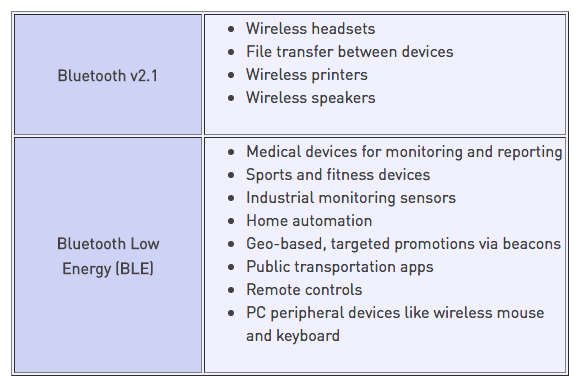
上記質問に対して簡単に理解するために下記表を掲載します。
この表を見るとRaytacのMDBTシリーズのBLEモジュールは非常に通信距離が長い事がわかりますね。
通信距離はビーコン用途等では特に導入コストに係わってくる重要な要素なので、
注目したい部分です。

Bluetoothのブランド商標(ロゴ)使用上の注意

Raytac Corporation

A BT4.1 & BT4.2 module maker based on Nordic nRF51 & nRF52 solution 
(nRF51822 & nRF51422 & nRF52832 & nRF51802)
Tel: +886.2.3234.0208
email: service@raytac.com
日本での代理店への連絡は下記の通り。
株式会社フクミ (Fukumi corporation)
消費材企画開発Gr. LBTチーム (Consumer Products R&D Group, LBT team)
榊 和優 (Kazumasa Sakaki)
Tel : 03-5687-2890 (+81-3-5687-2890)
Mail : lbt_bt@fukumi.co.jp
株式会社フクミのブログから引用。詳細は下記Link先へ。
■Bluetoothワードマークについて
bt word logo
・常に大文字「B」を使って表記する
・最も目立つ個所では登録商標マーク「®」を付加する
・英語で使用する(ただし、下記承認済み4言語版は除く)
繁体中国語翻訳版「藍牙」
簡体中国語翻訳版「蓝牙」
日本語翻訳版「ブルートゥース」
韓国語翻訳版「블루투스」
■Bluetoothフィギュアマークについて
Bluetooth_FM_Color
・常に商標登録マーク「®」を付加する
・青、白、黒でのみ複製できる
・必ず無地の背景に配置する
・フィギュアマークの周りに適切な余白を置く
・デザインの要素を一切変更してはいけない
*但し、機能アイコン等で電子デバイス上で表示する場合は、ルーン文字「B」のみでも構わない。